
Slate Summary
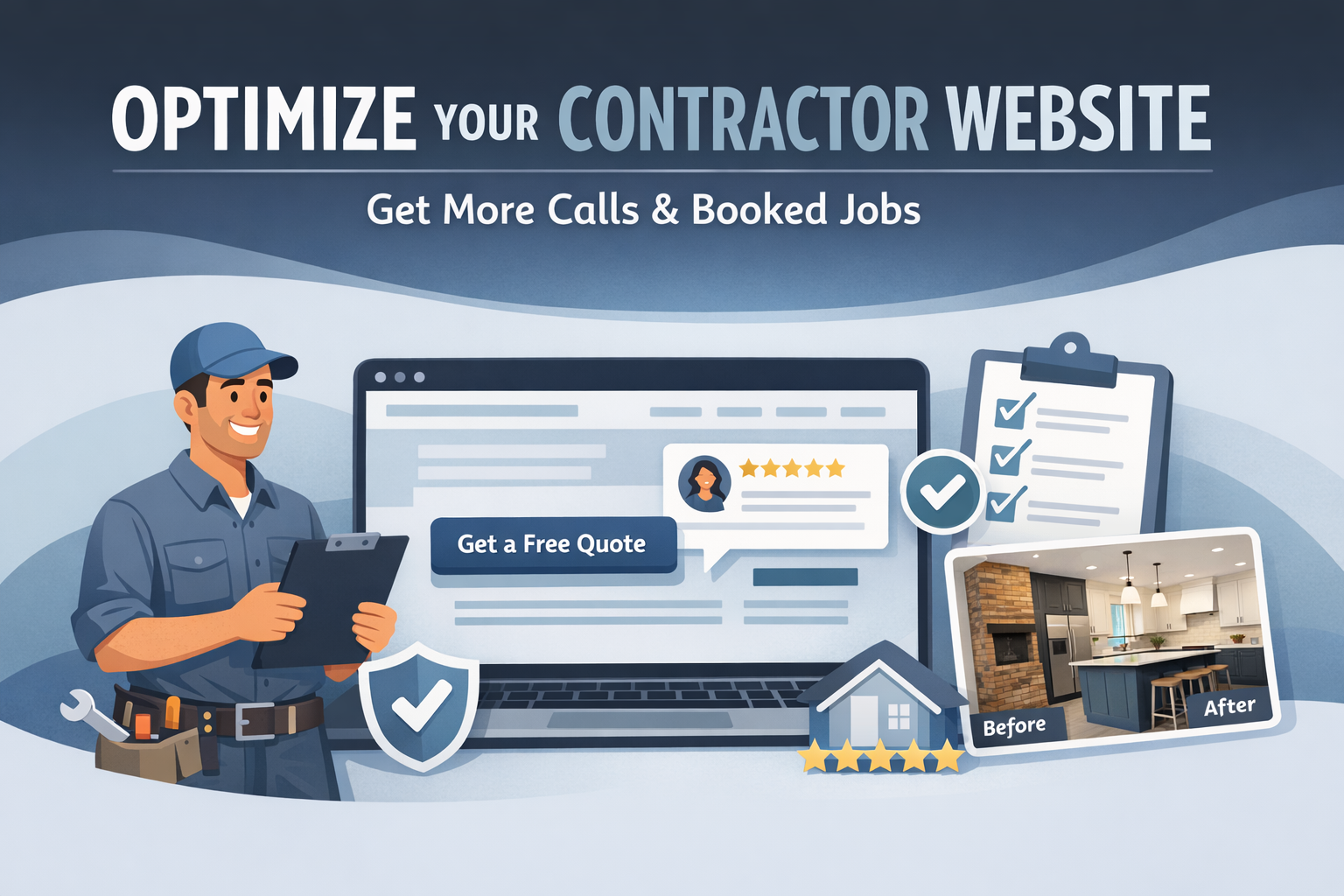
Most contractor websites fail to generate calls because they lack clear calls-to-action, mobile optimization, and visible trust signals. Fixing those three elements alone can significantly increase inbound service requests.
Introduction
In today’s digital age, having a strong online presence is more critical than ever for contractors in the home service industry. With numerous competitors vying for the same clientele, having a website that not only looks good but also drives results is essential. In this post, we’ll explore practical strategies that contractors can implement immediately to make their websites more compelling and effective in attracting new business.
Why Your Website Matters
Your website is often the first point of contact potential clients have with your business. It’s not just an online brochure; it’s a powerful tool that can influence decisions and encourage bookings. Here’s why investing time in optimizing your website is crucial:
- First Impressions Count: A professional, well-structured website builds trust from the get-go.
- SEO and Visibility: A well-optimized site is more likely to appear in search results, driving more traffic.
- Conversion Potential: Your website should not only attract visitors but also convert them into leads and customers.
Key Strategies for Standing Out
Here are actionable steps contractors can take to enhance their websites:
1. Optimize for User Experience (UX)
Creating a user-friendly website is paramount. A site that is easy to navigate encourages visitors to explore further. Here’s how to optimize UX:
- Fast Loading Speed: Ensure your website loads quickly; aim for under three seconds.
- Mobile Responsiveness: Most users may access your site via mobile devices, so it should be mobile-friendly.
- Clear Navigation: Use a simple menu structure and clear calls to action (CTAs) that guide visitors.
2. Use Trust Signals
Trust signals are essential for convincing potential clients that your business is credible. Some effective trust signals include:
- Testimonials and Reviews: Showcase positive feedback prominently on your homepage.
- Portfolio of Past Work: Display high-quality images and case studies of completed jobs.
- Certifications and Licenses: Clearly present any relevant certifications to build credibility.
3. Create Compelling Content
Content is a key driver of engagement. Consider incorporating these elements into your site:
- Blog Posts: Write informative articles that address common questions or concerns your clientele may have. Topics could include seasonal maintenance tips or signs that they need to call a contractor.
- FAQs Section: Create a dedicated space to answer frequently asked questions, helping to alleviate any concerns potential clients might have.
- Video Content: Produce short videos showcasing your work, client testimonials, or guiding viewers on how to assess their home service needs.
4. Implement Effective SEO Practices
Visibility in search engines is crucial for attracting organic traffic. Here are some basic SEO practices:
- Local SEO: Optimize your site for local searches by including location-specific keywords and creating a Google My Business profile.
- Keyword Research: Identify relevant keywords and strategically incorporate them into your website content.
- Quality Backlinks: Cultivate relationships with local businesses and websites to earn backlinks, enhancing your site’s authority.
5. Use Strong Calls to Action
A strong CTA can significantly improve conversion rates. These prompt visitors to take desired actions. Consider:
- Clear Button Labels: Use phrases like “Request a Free Quote” or “Schedule a Consultation”
- Strategic Placement: Position CTAs prominently on each page, particularly after engaging content.
Example of Successful Website Optimization
A plumbing contractor in a competitive area improved their website’s performance by implementing the strategies discussed:
- They revamped the site to enhance loading speeds and mobile responsiveness.
- Incorporated client testimonials and a portfolio section that showcased their best work.
- Started a blog covering common plumbing issues, which established them as a thought leader in their field.
As a result, the contractor saw a 40% increase in traffic and doubled their inquiries within just a few months.
The Importance of Ongoing Website Maintenance
Website optimization isn’t a one-time task; it requires continuous effort. Regular updates, performance checks, and content refreshes ensure your site remains relevant and competitive in the ever-evolving market. Consider conducting regular audits to assess your site’s performance and identify areas for improvement.
Conclusion
In today’s competitive landscape, a well-optimized website can significantly impact your business. By focusing on user experience, leveraging trust signals, creating engaging content, and employing effective SEO strategies, contractors can make their websites stand out. Remember, an ongoing commitment to website maintenance and optimization is essential for sustained success.
If you’re feeling overwhelmed or unsure about where to start, a professional audit or cleanup can provide valuable insights to set you on the right path. Don’t hesitate to reach out for guidance—your next client could be just a click away!